Write in the Margins: Why Marking Up Your Books Is the Best Thing You'll Ever Do for Your Reading Life
Write in the Margins: Why Marking Up Your Books Is the Best Thing You'll Ever Do for Your Reading Life
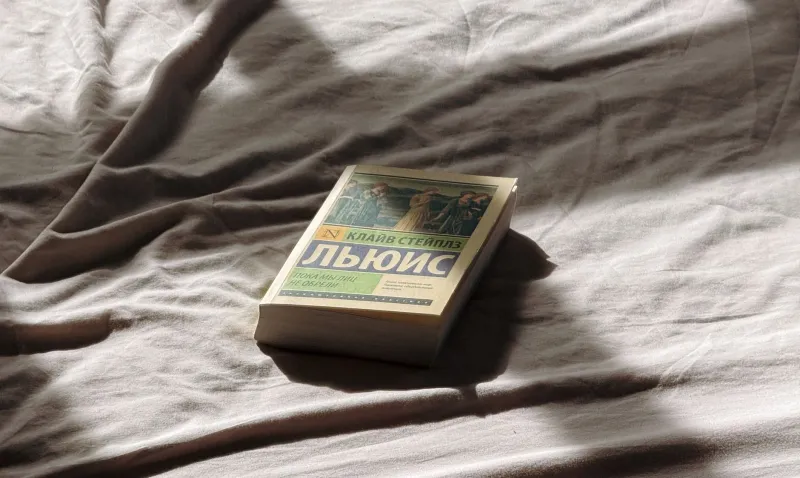
I used to be one of those people who treated books like museum artifacts. Cracking the spine felt like a crime. Writing inside one? Absolutely not. I'd return library books with the same pristine care I'd give a borrowed cashmere sweater, and even my own copies sat on shelves looking untouched, which — if I'm being honest — they basically were. I'd read them, sure. But did I experience them? Looking back, not really.
Then, a few years ago, I picked up a used copy of a novel at a little shop in Portland and it was covered in someone else's notes. Underlines, question marks, little exclamation points in the margins, a whole argument written in blue ink next to a paragraph in chapter seven. Instead of feeling annoyed, I felt like I'd found a letter. Like I'd been let into someone's actual mind while they were thinking. And something clicked for me: this is what reading can be.
That was the beginning of my annotated reading life, and I genuinely don't think I could go back.
Why Passive Reading Lets Books Slip Away
Here's the thing about reading a book start to finish without stopping to interact with it — you're essentially watching a movie in a language you half-understand. You catch the big stuff. The plot, the vibe, maybe a quote or two that hits different. But so much of what makes a book genuinely great lives in the smaller moments: the way a sentence is constructed, a word choice that seems casual but is actually doing heavy lifting, a theme that shows up quietly on page 12 and doesn't pay off until page 300.
When you're just moving your eyes across lines to get to the end, those things evaporate. You finish, you think "that was good," and two weeks later you can barely remember the character's name. Sound familiar?
Annotating forces you to slow down. It makes you a participant instead of a spectator. And that shift — from passive to active — changes literally everything about how a book lands.
But What If I Don't Want to Ruin the Book?
Okay, let's address this because I know it's the first thing a lot of people think. And I get it — there's something that feels almost sacred about a clean, beautiful book. But here's a reframe that helped me: your notes don't ruin the book. They become part of it.
The copy you write in isn't just the author's work anymore. It's a collaboration between you and them. Your confusion, your excitement, your "wait, what?" scrawled next to a plot twist — that's your creative response to their creative act. That's real. That matters.
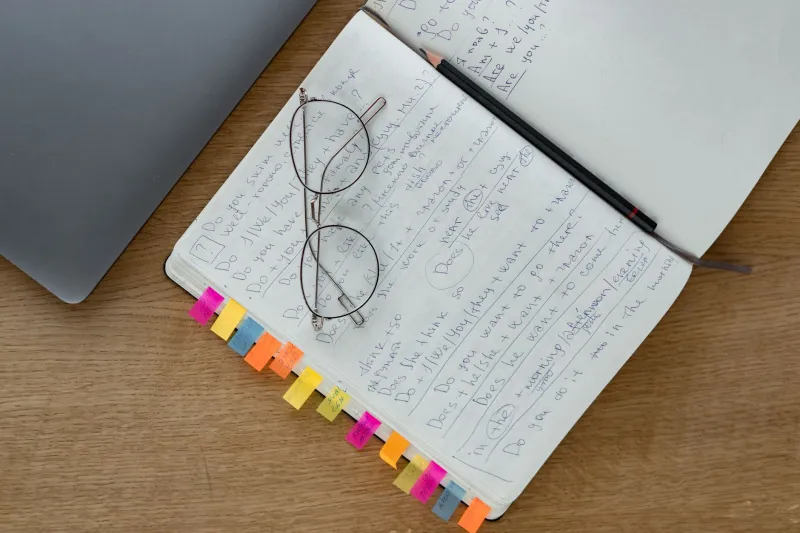
If you truly can't bring yourself to write in a book you love (or one you borrowed, obviously — please don't mark up borrowed books), there are workarounds. Sticky notes are your best friend. Little tabs in different colors for different kinds of reactions — pink for passages you love, blue for things you want to come back to, yellow for stuff that confused you. It sounds fussy but honestly it becomes second nature fast, and flipping back through a tabbed book is incredibly satisfying.
For e-readers, most have built-in highlighting and note features that work great. It's not quite the same tactile experience, but the habit of stopping and responding is what matters most.
How to Actually Start (Without Overthinking It)
If you're new to this, don't make it complicated. You're not preparing for a PhD defense. You're having a conversation with a book. Here's how I'd suggest easing in:
Start with just underlining. Don't even write anything yet. Just underline the sentences that make you feel something — curiosity, recognition, disagreement, joy. Get comfortable with the act of marking the page.
Add one-word reactions. Once underlining feels natural, start adding tiny notes next to your marks. "Yes." "Huh?" "Beautiful." "This is me." You don't need full sentences. You just need to capture the flicker of response before it fades.
Ask questions in the margins. This is where things get interesting. When something confuses you or makes you wonder, write the question down. "Why does she keep coming back to water imagery?" "Is this character lying here?" You might answer it yourself three chapters later, or you might not — and both outcomes are valuable.
Talk back to the author. This one feels weird at first but it's incredibly freeing. If you disagree with something, say so. If a character frustrates you, write it. If you think the author nailed something perfectly, tell them. Nobody's reading your margins but you (unless you pass the book along, which is its own kind of gift).
What You'll Notice After a Few Annotated Books
The first thing most people notice is that they remember more. Not in a test-prep way, but in the way you remember a conversation you were fully present for versus one you were half-listening to while scrolling your phone.
The second thing is that rereading becomes a whole different experience. Going back to an annotated book is like finding old journal entries — you see who you were when you first read it, what you noticed, what you missed, what you cared about. It's genuinely moving sometimes. I reread a novel I'd annotated in my late twenties and found notes that made me laugh, notes that made me cringe, and a few that made me think, yeah, I still believe that.
The third thing — and this is the one I didn't expect — is that it makes you a better creative thinker overall. When you're in the habit of noticing how something works, not just what it does, that skill bleeds into everything. Your own writing, your art, the way you watch movies or listen to music. You start paying attention differently.
Your Notes Are Part of the Story Now
I think what I love most about annotated reading is that it collapses the distance between you and the work. A book sitting on a shelf, unread or read-but-untouched, is a one-way broadcast. A book covered in your handwriting is a dialogue.
And honestly? That's what the best art is supposed to be. Not something you consume and set aside, but something you enter into, wrestle with, respond to. Something that changes you a little, and that you change a little in return.
So grab a pencil. Crack the spine if you have to. Write "this is everything" next to the sentence that makes your chest ache. Ask the hard questions in the margins. Leave a trail of yourself through the pages.
The book will be better for it. And so will you.