Same Book, Whole New Story: The Magic of Going Back to the Ones You Already Love
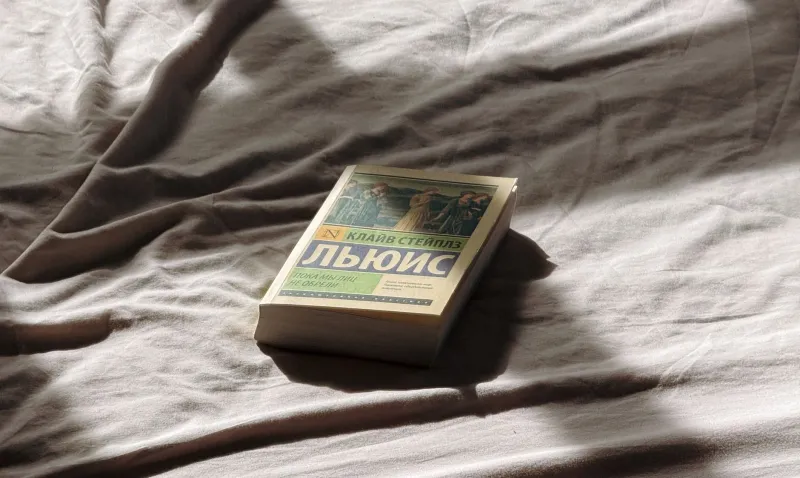
I have this beat-up copy of The Perks of Being a Wallflower sitting on my shelf. The spine is cracked in two places, the pages are slightly yellow, and there's a pencil mark near the end of chapter three that I have absolutely no memory of making. I first read it in high school, cried a little, and thought I understood it completely. Then I picked it up again in my late twenties, and I genuinely had to check the cover to make sure it was the same book.
It was. I just wasn't the same person.
That's the thing about rereading that nobody really talks about enough — it's less about the book changing and more about you changing. The words stay the same. The plot doesn't shift. But somehow, the whole story moves.
You Are the Variable
Here's the part that kind of blows my mind: a book is a fixed object. The sentences don't rearrange themselves overnight. But the reader? The reader is constantly in flux. You carry different losses, different joys, different fears every time you sit down with a story. And all of that invisible baggage you're hauling around completely reshapes how a narrative lands.
Psychologists who study reading talk about something called transport — the degree to which a reader gets pulled into a story's world. What they've found is that emotional resonance is a huge driver of that experience, and emotional resonance is deeply personal and deeply temporal. A scene about a parent and a child reads one way before you've lost someone. It reads a completely different way after.
So when you go back to a book you loved at nineteen and you're now thirty-four, you're not just rereading. You're having a conversation between two versions of yourself, with the author acting as a kind of moderator.
The Books That Grow With You
Not every book earns a reread — and that's okay. Some stories are perfectly designed to be consumed once, fast and delicious, like a great summer thriller. But then there are the ones that seem to have a second life waiting inside them.
For me, Little Fires Everywhere by Celeste Ng was like that. The first time I read it, I was mostly focused on the plot — the mystery, the tension, the slow burn of two families colliding. The second time, a few years later and with more complicated feelings about identity and choices, I couldn't stop noticing the way every single character believed they were the reasonable one. Every single one. That layer was always there. I just hadn't lived enough to see it.
Same thing happened with Their Eyes Were Watching God by Zora Neale Hurston. First read: gorgeous language, compelling love story. Second read: a full reckoning with what it means to finally choose yourself, even when it costs you everything. I don't think I was ready for that reading the first time. Life had to prep me.
Rereading Is Not a Cop-Out
Let's just address this directly because I know the thought creeps in: Shouldn't I be reading something new? There's this weird cultural pressure around reading, especially online, where the goal seems to be volume. How many books did you finish this year? What's on your TBR pile? Are you keeping up?
And look, I love discovering new books as much as the next person. But treating your bookshelf like a checklist — read it, cross it off, move on — misses something essential about what literature actually does. A book isn't a task. It's a relationship. And like most good relationships, it deepens the more time you put into it.
Slowing down to revisit something you already know is actually a pretty radical act in a culture that's always pushing you toward the next thing. It's an act of intention. You're saying: this mattered to me, and I want to understand why more fully.
That's not falling behind. That's being a thoughtful reader.
How to Make Rereading Feel Like a Real Practice
If you want to get more out of rereading, a little structure goes a long way. Here's what works for me:
Don't rush it. Rereading fast defeats the purpose. This is where the slow, turtle-paced approach really shines. Let scenes sit. Put the book down mid-chapter if something hits you and just think about it for a minute.
Keep a reading journal. Even just a few sentences per session. Note what's landing differently this time. What are you noticing that you didn't before? What feels more painful or more funny or more true?
Let some time pass between reads. A year is good. Five years is better. Ten years is a completely different experience. The bigger the gap, the more your life has had a chance to do its work on you.
Read with a friend. A buddy reread is genuinely one of the best conversations you can have. You'll be shocked at how differently two people remember the same book, and even more surprised at how much your memories reveal about each of you.
Your Shelf Is a Living Thing
I think of my bookshelf less like a library and more like a garden. Some things are done growing. Others have a lot more left in them, and they just need the right season to show it. The books I keep — the ones I can't bring myself to donate even when space gets tight — they're the ones I know still have something to say to me.
Maybe it's a novel I read too young. Maybe it's a memoir I powered through when I was distracted. Maybe it's something I loved so intensely that I've been a little afraid to go back, worried it won't hold up. (Spoiler: the good ones almost always do.)
Whatever's sitting on your shelf right now, there's probably at least one book in that stack that's ready to be a whole new experience. You just have to be the person who's ready to receive it.
Pull it out. Make some tea. Go slow. See who you are this time.