The Guilt Stack Is Real — Here's How to Finally Make Peace With the Books You Never Finished
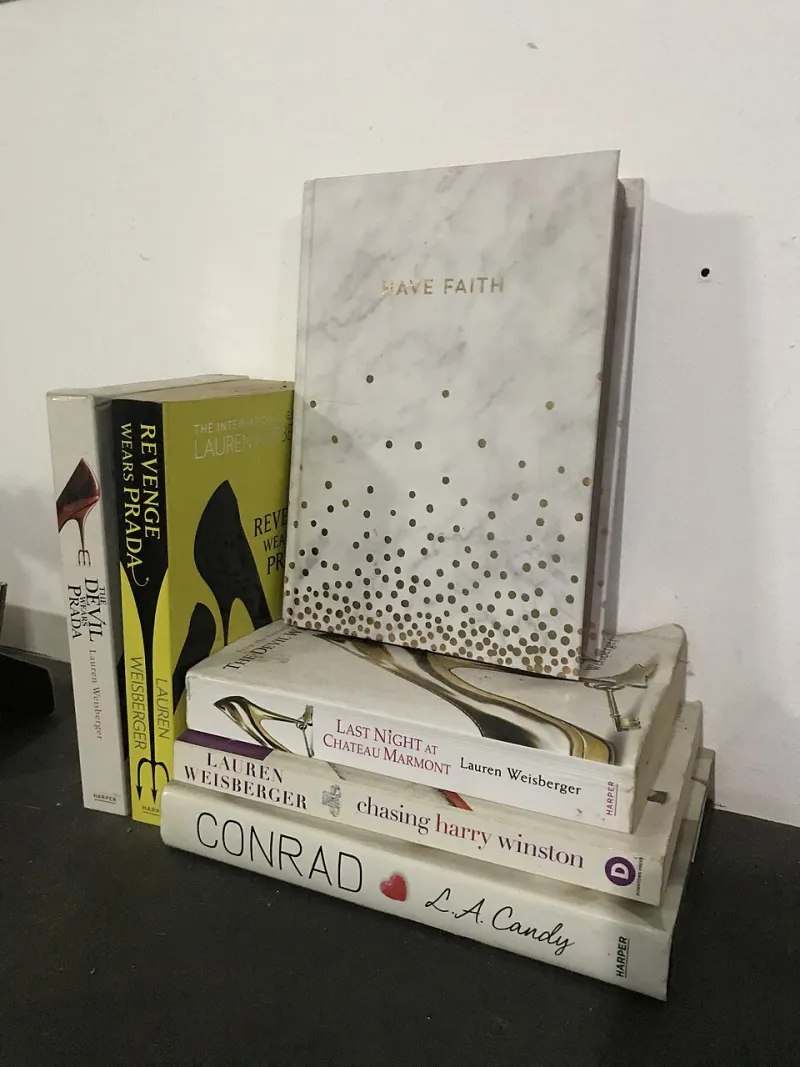
Photo: mycurrency.com, CC BY-SA 4.0, via Wikimedia Commons
Let me paint you a picture. There are currently four books on my nightstand. One has a bookmark in it from two months ago. One I technically finished the first chapter of and then just... stopped. One I bought because I was in a certain mood and I'm clearly no longer in that mood. And one I'm actively reading, slowly, without guilt.
If any of that sounds familiar, welcome. You are not a failed reader. You're just a person with a complicated relationship with books — and honestly, that's more interesting anyway.
The abandoned book problem is one of the most universally relatable reading experiences, and yet we've somehow collectively decided it's a personal failure. We talk about our "to-be-read pile" like it's a debt we owe. We feel guilty about DNF-ing (that's "did not finish," for the uninitiated). We finish books we actively dislike because we started them and now we feel committed.
But here's what I've come to believe: the books you don't finish are telling you something. The question is whether you're listening.
The Difference Between "Not For Me" and "Not For Me Right Now"
This is the most important distinction in the entire conversation, and almost nobody talks about it.
Some books aren't for you — full stop. The writing style doesn't click. The subject matter doesn't interest you. The pacing makes you want to throw it across the room. That's real, it's valid, and no amount of pushing through will change it. Life is genuinely too short to finish books you hate.
But some books aren't for you right now — and that's a completely different thing. You picked up a dense historical novel when you were burned out and needed something light. You started a heavy memoir during a period when you were already emotionally maxed out. You tried to read a slow literary fiction piece when your attention span was absolutely fried.
Those books didn't fail you. The timing failed you. And the way to tell the difference? Ask yourself honestly: Is this book bad, or am I just not in the right headspace for it? Would I want to come back to it someday if circumstances were different?
If the answer to that second question is yes — even a hesitant yes — shelve it instead of abandoning it. Mark the page. Give it a chance to meet you somewhere better.
Why We Keep Starting Books We Won't Finish
There are a few reasons this pattern repeats itself, and recognizing yours can actually break the cycle.
The Mood Purchase. You bought it in a specific emotional state — at a bookstore when you were feeling ambitious, or after reading a glowing review when you were in the exact right mindset. But by the time you actually sit down with it, the mood has passed. This is probably the most common reason for abandoned books, and the fix is simple: start books sooner after you buy them, or be honest with yourself that you're a collector as much as a reader (zero shame in that).
The Social Obligation Book. Someone you love handed it to you with that look that said this book changed my life, please read it. You want to be the person who loved it. You don't. You keep picking it up out of guilt and putting it down out of boredom. Here's the hard truth: you're allowed to tell someone "I tried it and it wasn't for me." Real relationships survive that.
The Prestige Trap. It's on every Best Of list. Everyone seems to have read it. You feel like you should love it, which is the fastest way to guarantee you won't. Reading something because you're supposed to is a great way to make reading feel like homework.
The Wrong Format. Sometimes the book itself is fine but the format isn't. Some books are better as audiobooks. Some books that feel dense and slow in print come alive when you're listening on a walk. Before you fully abandon something, consider whether switching formats might change everything.
Giving Yourself Real Permission to Stop
Here is the thing nobody says out loud enough: you are allowed to stop reading a book at any point, for any reason, without finishing it, and without explaining yourself to anyone.
The "50 page rule" is popular — give a book 50 pages before you decide. Some people use their age as the rule (if you're 38, give it 38 pages). But honestly? Any rule that helps you feel permission to stop without guilt is a good rule. The point isn't the number. The point is releasing yourself from the idea that starting a book creates an obligation to finish it.
Books are not contracts.
Building a Reading Life That Actually Works
Once you stop treating your reading pile like a to-do list, something interesting happens: you start actually reading more. Because you're reading what you want, when you want, without the weight of guilt making the whole thing feel like a chore.
A few things that genuinely help:
Keep a "someday" shelf. Physical or digital, this is where books go when they're not abandoned — they're just waiting for the right moment. This reframes the whole thing.
Match the book to the moment. Heavy nonfiction for focused weekend mornings. Light fiction for commutes or winding down. Audiobooks for the gym or long drives. When the format and context match, you actually finish things.
Track what you finish, not what you start. This sounds small but it shifts your whole relationship with reading. Celebrate completions instead of cataloging attempts.
Read multiple books at once. I know this sounds like chaos but hear me out — having a few books going at different energy levels means you always have something that matches your current state. The pressure to push through the wrong book disappears.
Your reading life should feel like yours. Not like a syllabus, not like a competition, not like a virtue test. Just yours — full of the books that actually got to you, at the exact right moment, in exactly the right way.