The Stories We Hated First (And Why We Can't Stop Thinking About Them Now)
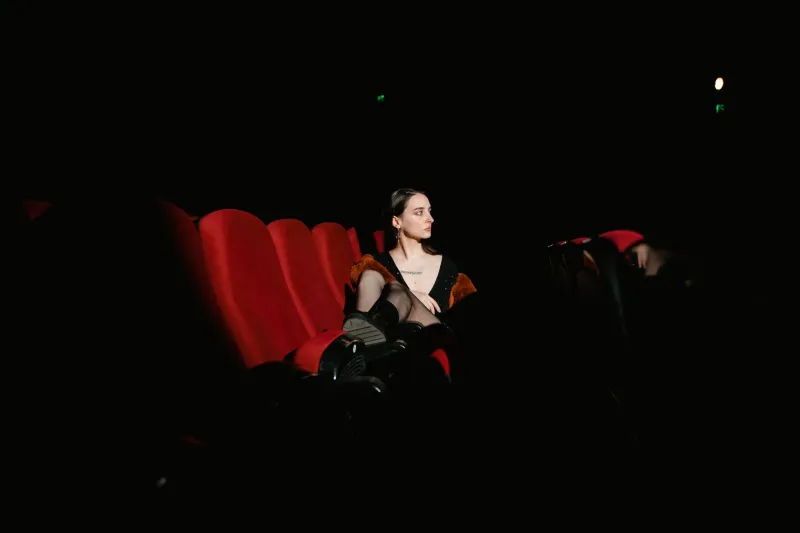
I walked out of a movie once. Well, not literally — I was watching it at home — but I turned it off with about forty minutes left and felt completely confident that I was right to do so. It was slow. Nothing was happening. The characters felt cold and distant. I had better things to do.
Two years later, a friend mentioned that same film as one of her all-time favorites. I rolled my eyes internally, rewatched it to prove a point, and then sat in silence for ten minutes after the credits rolled because I had absolutely no idea what had just happened to me.
It was one of the most affecting things I'd ever seen.
Same movie. Completely different experience. So what changed?
The Obvious Answer (That Isn't the Full Answer)
The easy explanation is that we change as people, and different life experiences make us receptive to different kinds of stories. That's true! But it's also a little too tidy. Because the second-watch reversal doesn't just happen with movies we revisit after years of personal growth. It happens after months, sometimes weeks. It happens when we're in a different mood. It happens when someone we trust tells us to give something another shot.
So yes, life experience is part of it. But there's more going on.
We Come to Stories With Invisible Expectations
Every time you sit down with a book, a film, or a new series, you bring a whole invisible suitcase of expectations. Some of those come from marketing — trailers, cover art, genre labels. Some come from word of mouth. Some come from what you were in the mood for that day, what you'd watched the week before, or what was going on in your life at the time.
When a story doesn't meet those expectations — even if the expectations were wrong — it registers as a failure. Not necessarily the story's failure. But your brain files it under didn't work and moves on.
Here's the thing about expectations: they're often completely invisible to us. You might not consciously realize you were expecting a thriller when you picked up a quiet literary novel. You might not know you were in the mood for something emotionally direct when you started a slow, ambiguous film. But those invisible expectations shape everything about how you receive a story.
A second viewing strips a lot of that away. You already know what the story is. You're not waiting for it to become something else. And suddenly, you can actually see it.
The Mood Factor Is Huge (And Underrated)
I want to spend a minute on this one because I think we seriously underestimate how much our emotional state affects our relationship to a story.
A film that requires patience, emotional presence, and a willingness to sit with ambiguity will land completely differently depending on whether you're watching it on a Sunday afternoon with nowhere to be versus a Tuesday night when you're stressed out and just want to decompress. The same goes for books. A novel that asks you to slow down and pay attention to language will feel frustrating when you're anxious and almost transcendent when you're calm.
This isn't a character flaw. It's just how humans work. We're not neutral receivers of art. We're participants in it, and what we bring to the experience is part of the experience.
Which means that sometimes the story we dismissed wasn't wrong for us — it was just wrong for us then.
What the Reversal Actually Reveals
When a story you initially hated becomes a story you love, that shift is a little map of your own interior landscape. It tells you something about who you were when you first encountered it and who you are now. Or about what you were carrying emotionally the first time around. Or about a blind spot in your taste that you've since opened up.
I've had this happen with books that required more patience than I had at the time. With films that were formally unusual in ways I wasn't yet equipped to appreciate. With TV shows that started quiet and slow in ways that felt boring until I'd lived through enough of my own quiet, slow seasons to understand what they were doing.
In every case, the reversal felt less like discovering a new story and more like discovering something new about myself. Which is, honestly, one of the more interesting things art can do.
The Shows and Films Most Likely to Pull This Off
Not every story benefits equally from a second chance. Some things really just weren't for you the first time and won't be the second time either, and that's completely fine.
But there are certain kinds of stories that are almost designed for the second-look effect:
Slow-burn dramas that prioritize atmosphere and character over plot momentum. These are the ones that feel like nothing is happening on first watch and feel rich with meaning on second watch, once you understand where everything is going.
Formally unconventional films — nonlinear narratives, unreliable narrators, ambiguous endings — that ask you to do more interpretive work than a typical genre film. The first time, that work can feel frustrating. The second time, it can feel like a game you're finally in on.
Dense literary novels with complex prose styles. The first fifty pages of some books are genuinely hard work, and if you push through that barrier and bounce off, it can feel like rejection. Coming back with different expectations and more patience can completely change the experience.
Emotionally heavy content that hits differently depending on what you're personally carrying. A story about grief or loss or complicated family dynamics can feel overwrought when you haven't lived through those things and devastatingly true once you have.
A Case for Giving Things a Second Shot
I'm not saying you owe every piece of media you've ever disliked a second chance. Life is short and there's too much good stuff out there to spend all your time revisiting things you didn't like.
But I am saying: keep a loose mental list of the things that felt almost right. The stories that you dismissed but that other people whose taste you trust keep coming back to. The ones where you can't quite articulate why they didn't work. Those are your candidates.
Because sometimes what you thought was a bad story was actually just a story you weren't ready for yet. And there's something genuinely exciting about the idea that you're still growing into certain things — that there are experiences waiting for you that you've already encountered but haven't fully met yet.
That movie I walked away from? It's in my top ten now. Which tells me that two years of living changed something in me that I couldn't have named at the time.
Art has a way of waiting for you to catch up to it.
And when you finally do, it's worth every bit of the wait.