Drawing Their Hearts Out: How Fan Artists Are Keeping Beloved Fandoms Breathing
Remember the gut punch of a beloved show getting cancelled? That hollow feeling when you realize there will never be a proper ending for characters you spent years caring about? Fans know it well. But here's the thing — a cancellation notice doesn't kill a fandom. Sometimes, it's actually the spark that lights the creative fire.
All across the US (and beyond), everyday artists are channeling their love — and their grief — into fan art. And the results are genuinely stunning.
What Fan Art Actually Is (And Why It Matters)
Fan art has existed as long as fandom itself. Before the internet, people mailed hand-drawn illustrations to zines. Now, the whole ecosystem has exploded into something massive and deeply interconnected. We're talking about millions of pieces of original artwork inspired by TV shows, movies, video games, and books — created by people who aren't professional illustrators, but who love their source material more than most critics ever will.
Platforms like DeviantArt, Tumblr, and Instagram have become the galleries of this movement. Twitter (now X) and Reddit host entire communities organized around specific fandoms. TikTok has added a time-lapse video layer to the whole thing, letting artists share their process in a way that's weirdly addictive to watch. The art isn't just being made — it's being celebrated.
And it matters for reasons that go beyond aesthetics. Fan art is cultural preservation. When studios move on, fans don't. They continue the conversation.
The Shows That Live On in Art
Take Firefly — the Joss Whedon space western that Fox cancelled after one season back in 2002. More than two decades later, Firefly fan art is still being created and shared regularly. Artists on DeviantArt and Instagram post portraits of Mal, Zoe, and the rest of the crew with the same enthusiasm you'd expect for a show that's currently airing. The fandom never got the ending it deserved, so it's been writing and illustrating its own version ever since.
Similar things happened with The Legend of Korra, Over the Garden Wall, and more recently, The Owl House — an animated Disney series with a devoted LGBTQ+ fanbase that has produced some of the most emotionally resonant fan art you'll find anywhere online. When the show's ending felt rushed due to episode cuts, fans responded the way they always do: by making art that filled in the gaps.
Video game fandoms have their own rich tradition too. Games like Undertale, Hades, and Hollow Knight have inspired enormous fan art communities despite (or maybe because of) their indie origins. These games built their audiences through word of mouth and creative passion, and that same energy flows back into the fan art that surrounds them.
The Artists Behind the Work
Spend any time in these communities and you'll start to recognize names — or rather, usernames. Artists like @loish on Instagram (technically a professional illustrator, but deeply embedded in fandom culture) have built followings in the hundreds of thousands. But the real heartbeat of fan art communities is the everyday creators.
There's the college student who started drawing Avatar: The Last Airbender fan art during the pandemic and now has 40,000 Instagram followers. The stay-at-home parent who posts Dungeons & Dragons character illustrations on Tumblr every weekend. The high schooler who learned to use Procreate specifically to draw their favorite Overwatch characters and is now genuinely skilled enough to take commissions.
For many of these artists, fan art wasn't just a hobby — it was the gateway into making art at all. The emotional investment in a fandom gave them a subject they cared deeply about, which made the hours of practice feel worthwhile. That's not a small thing. That's how a lot of real artistic growth happens.
Platforms, Communities, and the Creative Ecosystem
Each platform has its own flavor when it comes to fan art culture. Tumblr, despite its chaotic reputation, remains one of the most supportive spaces for long-form fandom engagement. Artists post not just finished work but commentary, headcanons, and process notes that turn a single illustration into a whole conversation.
Instagram is more visual and immediate — a polished portfolio vibe where finished pieces get the spotlight. The Reels format has been huge for process videos, which pull in viewers who might not even be fans of the source material but are drawn in by the craft.
DeviantArt is the OG, and it still has a dedicated user base that skews toward more detailed, technically ambitious work. It's also one of the few platforms with robust commenting and community features that actually encourage dialogue between artists.
And then there are the fan conventions — San Diego Comic-Con, Anime Expo, PAX — where fan artists sell prints and original pieces in artist alleys. This is where the digital world becomes physical, and where many fan artists make their first real money from their craft.
Why This Connects to Everything TurtleGirl76 Is About
Here's what I keep coming back to when I think about fan art: it's one of the purest examples of creating because you love something. There's no algorithm telling these artists what to draw. There's no brand deal, no SEO strategy, no content calendar. Someone watched a show, felt something, and picked up a pencil.
That's the whole deal. That's why it's beautiful.
At TurtleGirl76, we're all about the intersection of art and the stuff that fills your heart — the shows, the games, the stories that become part of who you are. Fan art lives exactly at that intersection. It's personal, it's passionate, and it's proof that creativity doesn't need a green light from a network or a studio to keep going.
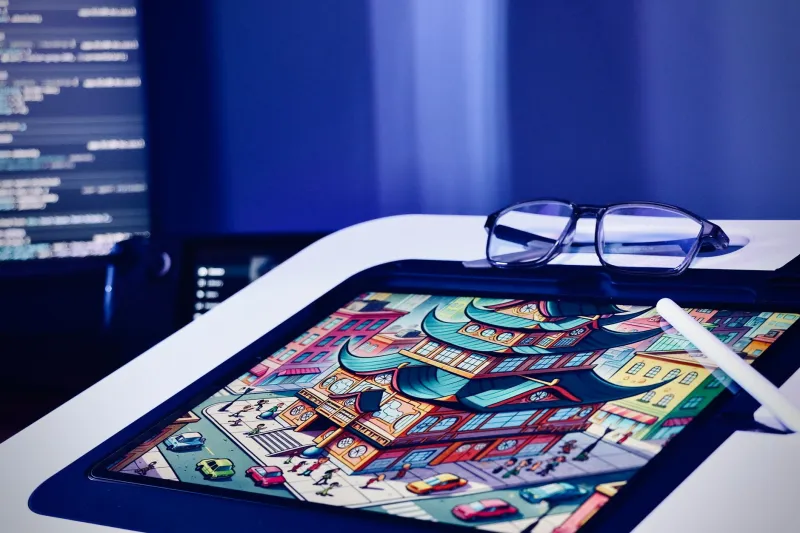
The fandom never really ends. It just picks up a stylus and keeps drawing.